Cosmetic labels – what should they contain?
Labels for the cosmetics industry serve many more functions than just an aesthetic one. On the one hand, they are carriers of mandatory information required by law; on the other, […]

Labels for the cosmetics industry serve many more functions than just an aesthetic one. On the one hand, they are carriers of mandatory information required by law; on the other, […]

The Digital Product Passport is an electronic document containing information about a product, intended to accompany it throughout its entire life cycle—from production, through use, to recycling. The concept was […]

In industrial, warehousing and production environments, efficiency, durability, stable operation and easy integration with systems (ERP/WMS) are key. That’s why industrial label printers are designed for continuous operation, long print […]

Color label printing is becoming increasingly popular. That’s why you can now find a very wide range of color label printers on the market. Which models are worth buying—and why? […]

Label printers are practical devices used in many industries.

GHS-standard chemical labeling is mandatory for chemical products. The rules for creating CLP/GHS labels are strictly defined by European Union regulations to protect users and the natural environment. CLP/GHS chemical […]

Label printers are practical devices used across many industries. To print labels, you first need to design them in suitable software. What options are available and what do they offer? […]

Semi-industrial label printers are the perfect solution for companies that need the performance and reliability of industrial equipment but do not print labels in large, continuous runs. They combine robust […]

Labels are printed using specialized devices that enable efficient, high-quality output. There are several type of label printers, differing in printing technology, working method, and their capabilities in terms of […]

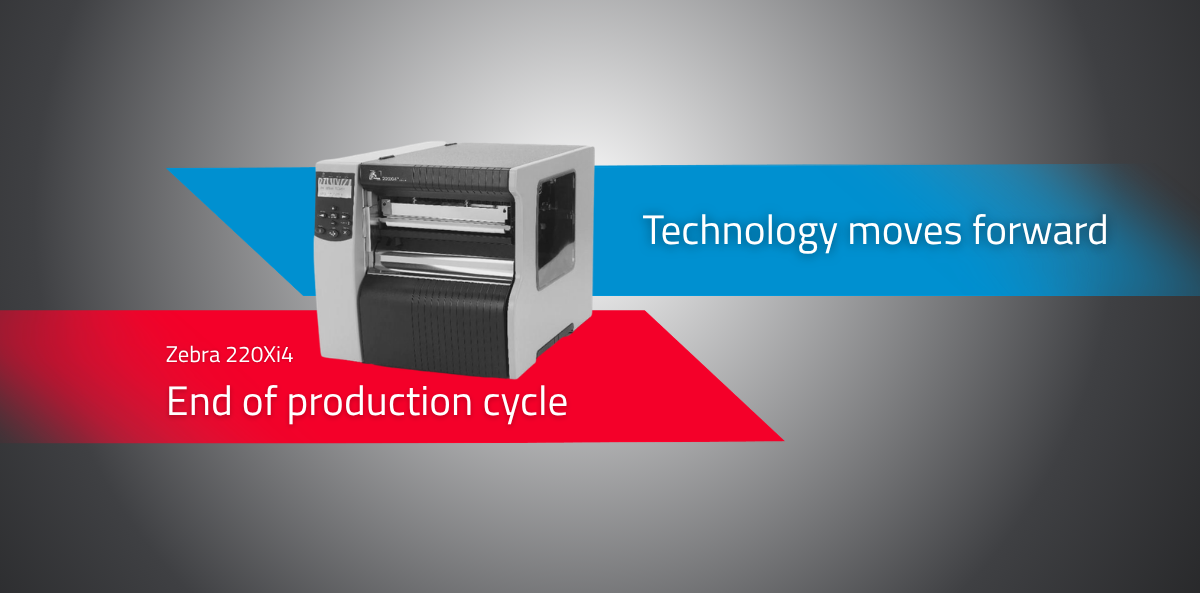
Industrial devices, like living organisms, undergo changes or stages of life during their existence. The existence of any manufactured product, including technical devices, follows a cyclical pattern. From the initial […]
There are multiple ways to achieve durable printing, depending on the material and individual needs of a particular business. Our product range includes high-quality equipment that prints in thermal transfer, thermal, and inkjet technologies, as well as pre-printed products made using flexographic and screen printing technologies.
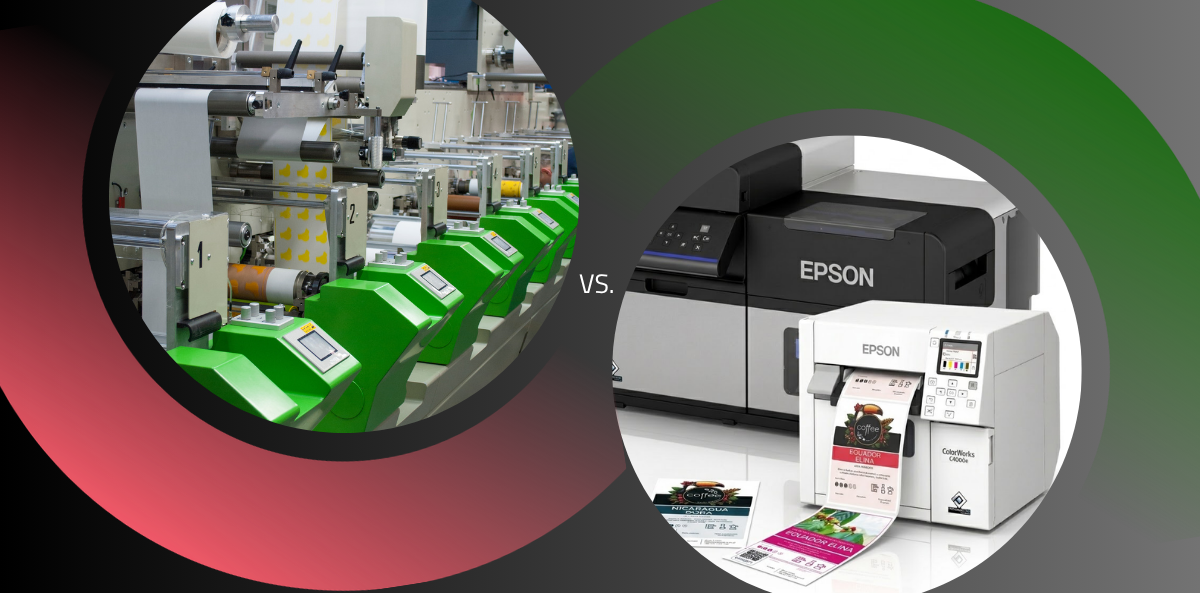
Printing technology refers to methods of transferring designs, graphics, or text onto a wide variety of materials. Printing technology has evolved over the years, and current advances make it possible to choose from several technologies. There are two main technologies: analog and digital. Analog printing utilizes a fixed printing mold to transfer a design to a material. In contrast, digital printing sends the print data directly to the printer, which then generates the image on the material.
Analog printing includes offset, flexography, letterpress, and screen printing. On the other hand, digital printing encompasses technologies such as laser, inkjet, thermal, and thermal transfer printing. The choice of printing technology depends on many factors. The most important is the type of material on which the text or graphics is to be printed, print run, and print quality.
If you are not sure which printing technology is best for your labels or are considering the choice of a printer, do not hesitate to contact us. We will be happy to advise you on the choice of printing technology for your selected labels and assist you in purchasing the appropriate equipment and printing method.